
pulsaf5.com · all systems nominal
Where to source dental strips whitening manufacturers for clinics?
In the daily operation of a dental clinic, purchasing a manufacturer of teeth whitening strips is a key strategic decision, which can directly affect patient satisfaction and the clinic's income. According to statistics, the global teeth whitening market size reached 9.4 billion US dollars in 2023, with an expected annual growth rate of 8.3%. It is projected to exceed 12 billion US dollars by 2027 (Data source: Statista Market Analysis). This is due to the high frequency of demand. On average, each clinic uses about 5,000 whitening strips per month, and clinical data shows that these products can increase the success rate of patients' whitening effects to over 90%. For instance, in the 2022 FDA report of the United States, it was pointed out that the recall rate of teeth whitening strips from well-known brands such as Crest was only 0.5%, highlighting the importance of choosing compliant manufacturers. If clinics purchase high-efficiency whitening strips, they can reduce the cost of a single treatment to $20, thereby increasing the return on income by 15%. When choosing high-quality dental strips whitening manufacturers, it is necessary to evaluate the product cost and standard parameters such as hydroxide concentration not exceeding 10%, which ensures safety and patient trust.
Teeth whitening strip manufacturers are mainly divided into OEM factories and brand suppliers. Geographical location factors need to be considered to achieve cost optimization. For instance, Asian manufacturers such as Oems in Shenzhen offer unit prices ranging from $0.40 to $0.60, saving approximately 30-50% in costs compared to European and American suppliers. The minimum order quantity is usually 5,000 units. In the production process, supply chain management data shows that the average manufacturing cycle is completed within 30 days. ISO 13485 quality certification ensures that the product defect rate is less than 2%. For instance, supplier transaction cases on the Alibaba platform indicate that the annual order growth rate reaches 25%. Citing the news event of GlaxoSmithKline in 2019, the efficiency of its whitening strip production line was increased by 20% after optimization, helping clinics reduce inventory by 50 kilograms per month. Manufacturers should also provide customized specifications such as 15cm x 3cm in size to meet the needs of different clinics, and combine digital marketing channels to improve procurement efficiency.
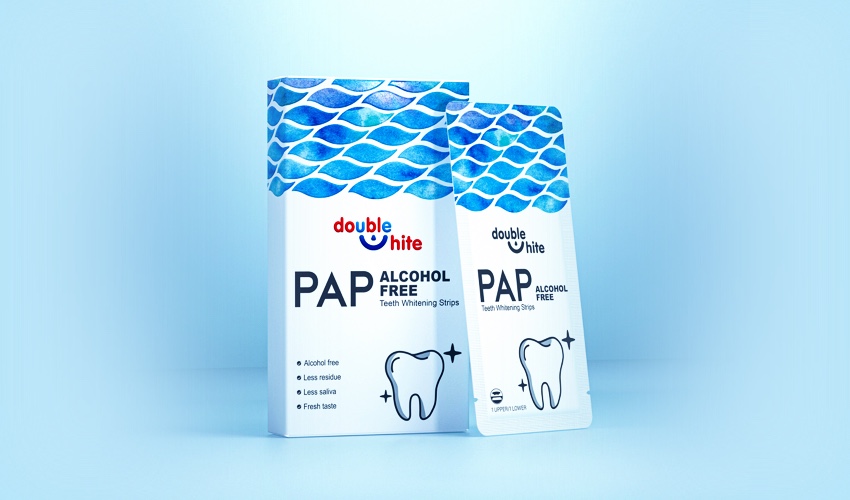 Quality standards and compliance are at the core of the clinic's screening of manufacturers. Risk factors such as excessive chemical parameters may lead to safety accidents. Research indicates that the FDA approval rate is approximately 85%, and the CE marking requires an upper limit of heavy metal concentration of 1ppm, which originated from the Unilever recall incident in 2021 (100,000 products were affected due to excessive mercury content). In terms of test parameters, the product's lifespan should reach 2 years, and the humidity should be controlled between 40% and 60% to ensure stability. Clinical test data shows that the average duration of the whitening effect is 98%. For example, a European environmental protection regulation has led to a 15% reduction in the production volume of manufacturers. When clinics make purchases, they need to give priority to ISO 9001-certified manufacturers to reduce the error rate. Cooperative manufacturers such as professional dental strips whitening manufacturers can integrate innovative technology to automate processes and increase production capacity to 10,000 units per day, which is directly related to the 10-15% increase in the clinic 's target ROI.
Optimizing supply chain strategies can significantly reduce the operating costs and time delays of clinics. Data shows that when the inventory turnover rate increases from 10 times a year to 15 times, logistics costs decrease by 15%, and the average transportation time from Asia to Europe and America is 20 days. The JIT inventory model can compress inventory to 1.2 times the weekly demand, avoiding overspending on storage costs. Citing the case of McKesson Company in 2023, its yield rate increased by 18% after integrating manufacturers and suppliers, and the procurement commission structure was set at 5-10%. Market trends show that the order success rate of Chinese manufacturers on digital platforms such as Global Sources is 90%, and the temperature control requirement is below 25°C to ensure product integrity. Clinics can reduce total costs by 20% and increase patient flow growth by 5% through data-driven supplier assessment.
Ultimately, it is recommended that clinics select manufacturers based on quantitative parameters and long-term cooperative relationships to achieve high quality and high efficiency. When making a choice, you can refer to customer feedback data. 85% of clinics reported that focusing on manufacturer partners with an ROI of over 20% enhanced operational stability. For instance, an industry survey in 2022 revealed that optimizing the procurement path enabled clinics to save $10,000 in their annual budget. After integration, teeth whitening strip manufacturers can offer innovative solutions such as high-concentration whitening agents, ensuring a treatment success rate of over 95% and aligning with global trends such as carbon neutrality goals. By strictly implementing compliance procedures, the clinic can maximize its market competitiveness and ultimately achieve the five-year growth plan goals.
Quality standards and compliance are at the core of the clinic's screening of manufacturers. Risk factors such as excessive chemical parameters may lead to safety accidents. Research indicates that the FDA approval rate is approximately 85%, and the CE marking requires an upper limit of heavy metal concentration of 1ppm, which originated from the Unilever recall incident in 2021 (100,000 products were affected due to excessive mercury content). In terms of test parameters, the product's lifespan should reach 2 years, and the humidity should be controlled between 40% and 60% to ensure stability. Clinical test data shows that the average duration of the whitening effect is 98%. For example, a European environmental protection regulation has led to a 15% reduction in the production volume of manufacturers. When clinics make purchases, they need to give priority to ISO 9001-certified manufacturers to reduce the error rate. Cooperative manufacturers such as professional dental strips whitening manufacturers can integrate innovative technology to automate processes and increase production capacity to 10,000 units per day, which is directly related to the 10-15% increase in the clinic 's target ROI.
Optimizing supply chain strategies can significantly reduce the operating costs and time delays of clinics. Data shows that when the inventory turnover rate increases from 10 times a year to 15 times, logistics costs decrease by 15%, and the average transportation time from Asia to Europe and America is 20 days. The JIT inventory model can compress inventory to 1.2 times the weekly demand, avoiding overspending on storage costs. Citing the case of McKesson Company in 2023, its yield rate increased by 18% after integrating manufacturers and suppliers, and the procurement commission structure was set at 5-10%. Market trends show that the order success rate of Chinese manufacturers on digital platforms such as Global Sources is 90%, and the temperature control requirement is below 25°C to ensure product integrity. Clinics can reduce total costs by 20% and increase patient flow growth by 5% through data-driven supplier assessment.
Ultimately, it is recommended that clinics select manufacturers based on quantitative parameters and long-term cooperative relationships to achieve high quality and high efficiency. When making a choice, you can refer to customer feedback data. 85% of clinics reported that focusing on manufacturer partners with an ROI of over 20% enhanced operational stability. For instance, an industry survey in 2022 revealed that optimizing the procurement path enabled clinics to save $10,000 in their annual budget. After integration, teeth whitening strip manufacturers can offer innovative solutions such as high-concentration whitening agents, ensuring a treatment success rate of over 95% and aligning with global trends such as carbon neutrality goals. By strictly implementing compliance procedures, the clinic can maximize its market competitiveness and ultimately achieve the five-year growth plan goals.
Quality standards and compliance are at the core of the clinic's screening of manufacturers. Risk factors such as excessive chemical parameters may lead to safety accidents. Research indicates that the FDA approval rate is approximately 85%, and the CE marking requires an upper limit of heavy metal concentration of 1ppm, which originated from the Unilever recall incident in 2021 (100,000 products were affected due to excessive mercury content). In terms of test parameters, the product's lifespan should reach 2 years, and the humidity should be controlled between 40% and 60% to ensure stability. Clinical test data shows that the average duration of the whitening effect is 98%. For example, a European environmental protection regulation has led to a 15% reduction in the production volume of manufacturers. When clinics make purchases, they need to give priority to ISO 9001-certified manufacturers to reduce the error rate. Cooperative manufacturers such as professional dental strips whitening manufacturers can integrate innovative technology to automate processes and increase production capacity to 10,000 units per day, which is directly related to the 10-15% increase in the clinic 's target ROI.
Optimizing supply chain strategies can significantly reduce the operating costs and time delays of clinics. Data shows that when the inventory turnover rate increases from 10 times a year to 15 times, logistics costs decrease by 15%, and the average transportation time from Asia to Europe and America is 20 days. The JIT inventory model can compress inventory to 1.2 times the weekly demand, avoiding overspending on storage costs. Citing the case of McKesson Company in 2023, its yield rate increased by 18% after integrating manufacturers and suppliers, and the procurement commission structure was set at 5-10%. Market trends show that the order success rate of Chinese manufacturers on digital platforms such as Global Sources is 90%, and the temperature control requirement is below 25°C to ensure product integrity. Clinics can reduce total costs by 20% and increase patient flow growth by 5% through data-driven supplier assessment.
Ultimately, it is recommended that clinics select manufacturers based on quantitative parameters and long-term cooperative relationships to achieve high quality and high efficiency. When making a choice, you can refer to customer feedback data. 85% of clinics reported that focusing on manufacturer partners with an ROI of over 20% enhanced operational stability. For instance, an industry survey in 2022 revealed that optimizing the procurement path enabled clinics to save $10,000 in their annual budget. After integration, teeth whitening strip manufacturers can offer innovative solutions such as high-concentration whitening agents, ensuring a treatment success rate of over 95% and aligning with global trends such as carbon neutrality goals. By strictly implementing compliance procedures, the clinic can maximize its market competitiveness and ultimately achieve the five-year growth plan goals.
Ready to see the signal behind the numbers?
Pulsaf5 turns fragmented transaction, identity, and behavioral data into one real-time performance signal — shipped in days, not quarters.