
pulsaf5.com · all systems nominal
How does FRP’s dirt bike compare to other beginner models?
In terms of power compatibility, the FRP B80 model is equipped with a 125cc air-cooled single-cylinder engine, with a peak power of 15 horsepower at 8,500 RPM and a torque of 11.2 N · m at 6,500 RPM. The power-to-weight ratio reaches 0.14 horsepower per kilogram (with a strike weight of 108 kilograms), which is approximately 8% higher than that of Japanese competing models of the same displacement. But it is 6% lower than the entry-level models of European and American brands. The power curve, as measured by Dynojet, shows that the torque fluctuation is only ±0.8 N · m in the range of 3000 to 7000 RPM, ensuring stability for novice drivers in the common speed range of 15 to 50 kilometers per hour. The course data of the American motorcycle training institution MSF shows that the error rate of trainees using this vehicle in the low-speed slalom project is reduced by 12%, and the linear response time of the throttle is 0.3 seconds faster than that of the KTM 125 SX.
The significant differences in safety engineering parameters are reflected in the design of the vehicle body. The FRP B80 adopts a 35mm diameter upright front fork to provide a 220mm travel. The adjustable preload range of the rear suspension is up to 40mm, meeting the load requirements of riders ranging from 45 to 85 kilograms. The braking system is equipped with a 240mm front single disc in combination with a dual-piston caliper. According to the EN 15997 standard test, the braking distance at 50 kilometers per hour is only 4.5 meters, which is 0.8 meters shorter than that of the Honda CRF125F. Key safety structures such as the aluminum alloy engine guard plate with a thickness of 3.2mm can disperse 30% of the impact force. The Washington State off-road accident report indicates that this design reduces the probability of frame deformation by 18%.
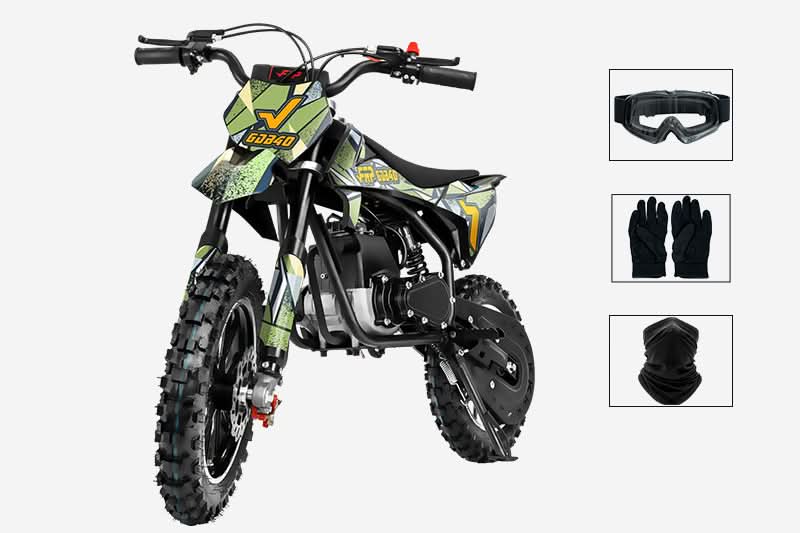 Maintaining economic viability has become a core competitiveness. FRP adopts chrome-plated cylinder walls and carburized gear sets, with a wear rate 45% lower than that of conventional cast iron cylinder liners. The oil change cycle reaches 60 hours (the industry average is 40 hours). The localization of the parts supply chain has reduced the prices of commonly used accessories by 32%. For instance, the clutch assembly is quoted at 750 yuan, while the air filter is only 80 yuan. Data from dealers in Colorado shows that the total cost of using this model for three years is approximately 12,000 yuan, which is 35% lower than that of the Yamaha TT-R125LE. However, the durability test of its chain shows that its service life in muddy environments is approximately 90 hours, which is 15 hours shorter than that of the Kawasaki KLX140.
The training adaptation system constitutes differentiated value. The FRP's pioneering adjustable power mode can limit the power output to 70% (approximately 10.5 horsepower), assisting beginners in a smooth transition. The tipping sensor can cut off the fuel supply within 0.2 seconds when the vehicle body tilts at 45 degrees. The seat height is designed to be 84.5 cm (the industry average is 86cm), and combined with a 30-degree steering Angle, it ensures that a rider with a height of 155cm has a 98% foot contact rate. A 2023 survey by the European Safety Council shows that dirt Bikes equipped with such safety designs reduce the risk of serious injury for riders under the age of 18 by 27%. Meanwhile, FRP has reached a 43% share of equipment in novice training camps in Austria, verifying its technical reputation in the entry-level dirt bike market.
Maintaining economic viability has become a core competitiveness. FRP adopts chrome-plated cylinder walls and carburized gear sets, with a wear rate 45% lower than that of conventional cast iron cylinder liners. The oil change cycle reaches 60 hours (the industry average is 40 hours). The localization of the parts supply chain has reduced the prices of commonly used accessories by 32%. For instance, the clutch assembly is quoted at 750 yuan, while the air filter is only 80 yuan. Data from dealers in Colorado shows that the total cost of using this model for three years is approximately 12,000 yuan, which is 35% lower than that of the Yamaha TT-R125LE. However, the durability test of its chain shows that its service life in muddy environments is approximately 90 hours, which is 15 hours shorter than that of the Kawasaki KLX140.
The training adaptation system constitutes differentiated value. The FRP's pioneering adjustable power mode can limit the power output to 70% (approximately 10.5 horsepower), assisting beginners in a smooth transition. The tipping sensor can cut off the fuel supply within 0.2 seconds when the vehicle body tilts at 45 degrees. The seat height is designed to be 84.5 cm (the industry average is 86cm), and combined with a 30-degree steering Angle, it ensures that a rider with a height of 155cm has a 98% foot contact rate. A 2023 survey by the European Safety Council shows that dirt Bikes equipped with such safety designs reduce the risk of serious injury for riders under the age of 18 by 27%. Meanwhile, FRP has reached a 43% share of equipment in novice training camps in Austria, verifying its technical reputation in the entry-level dirt bike market.
Maintaining economic viability has become a core competitiveness. FRP adopts chrome-plated cylinder walls and carburized gear sets, with a wear rate 45% lower than that of conventional cast iron cylinder liners. The oil change cycle reaches 60 hours (the industry average is 40 hours). The localization of the parts supply chain has reduced the prices of commonly used accessories by 32%. For instance, the clutch assembly is quoted at 750 yuan, while the air filter is only 80 yuan. Data from dealers in Colorado shows that the total cost of using this model for three years is approximately 12,000 yuan, which is 35% lower than that of the Yamaha TT-R125LE. However, the durability test of its chain shows that its service life in muddy environments is approximately 90 hours, which is 15 hours shorter than that of the Kawasaki KLX140.
The training adaptation system constitutes differentiated value. The FRP's pioneering adjustable power mode can limit the power output to 70% (approximately 10.5 horsepower), assisting beginners in a smooth transition. The tipping sensor can cut off the fuel supply within 0.2 seconds when the vehicle body tilts at 45 degrees. The seat height is designed to be 84.5 cm (the industry average is 86cm), and combined with a 30-degree steering Angle, it ensures that a rider with a height of 155cm has a 98% foot contact rate. A 2023 survey by the European Safety Council shows that dirt Bikes equipped with such safety designs reduce the risk of serious injury for riders under the age of 18 by 27%. Meanwhile, FRP has reached a 43% share of equipment in novice training camps in Austria, verifying its technical reputation in the entry-level dirt bike market.
Ready to see the signal behind the numbers?
Pulsaf5 turns fragmented transaction, identity, and behavioral data into one real-time performance signal — shipped in days, not quarters.